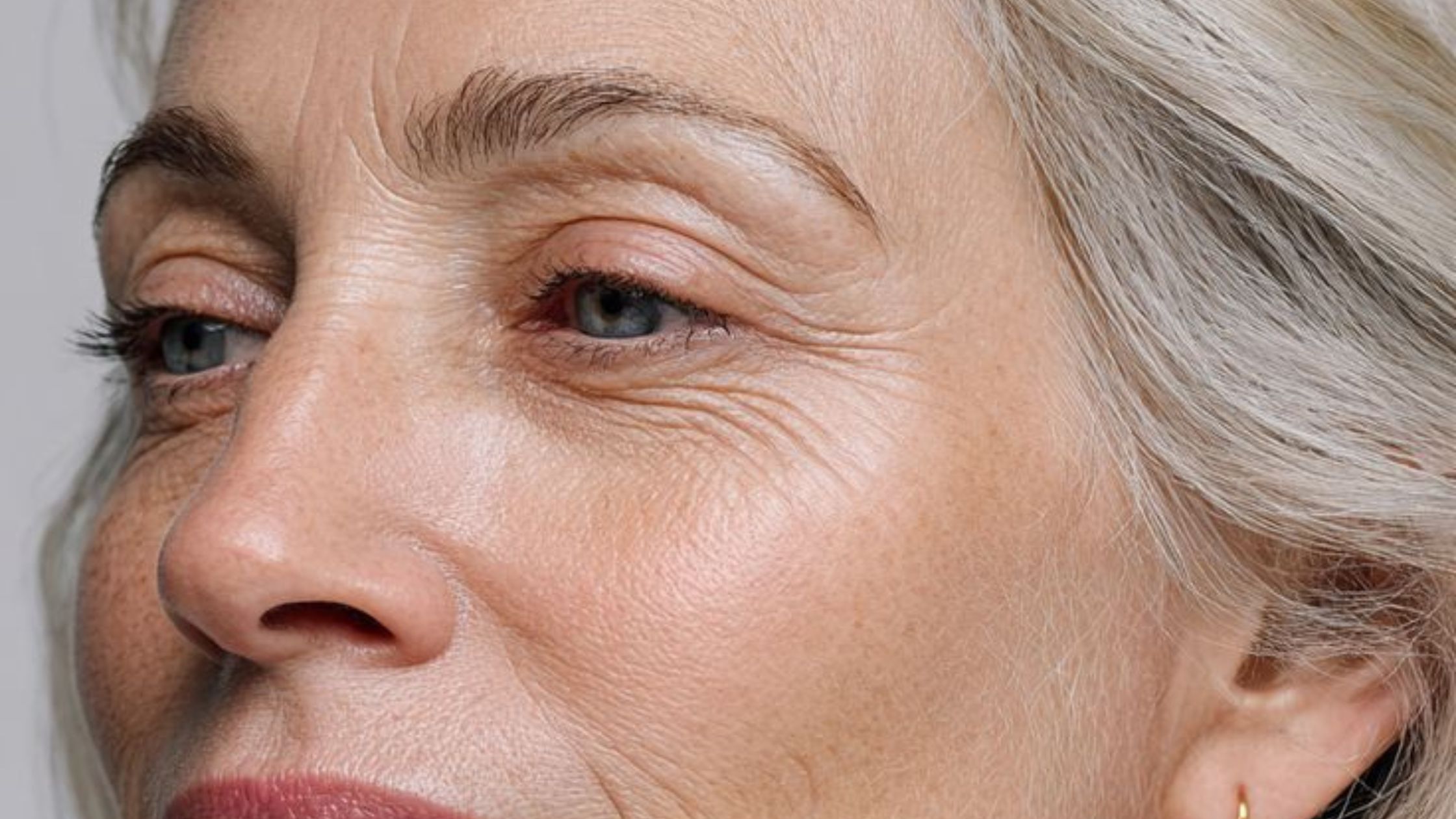
What winter does to your skin
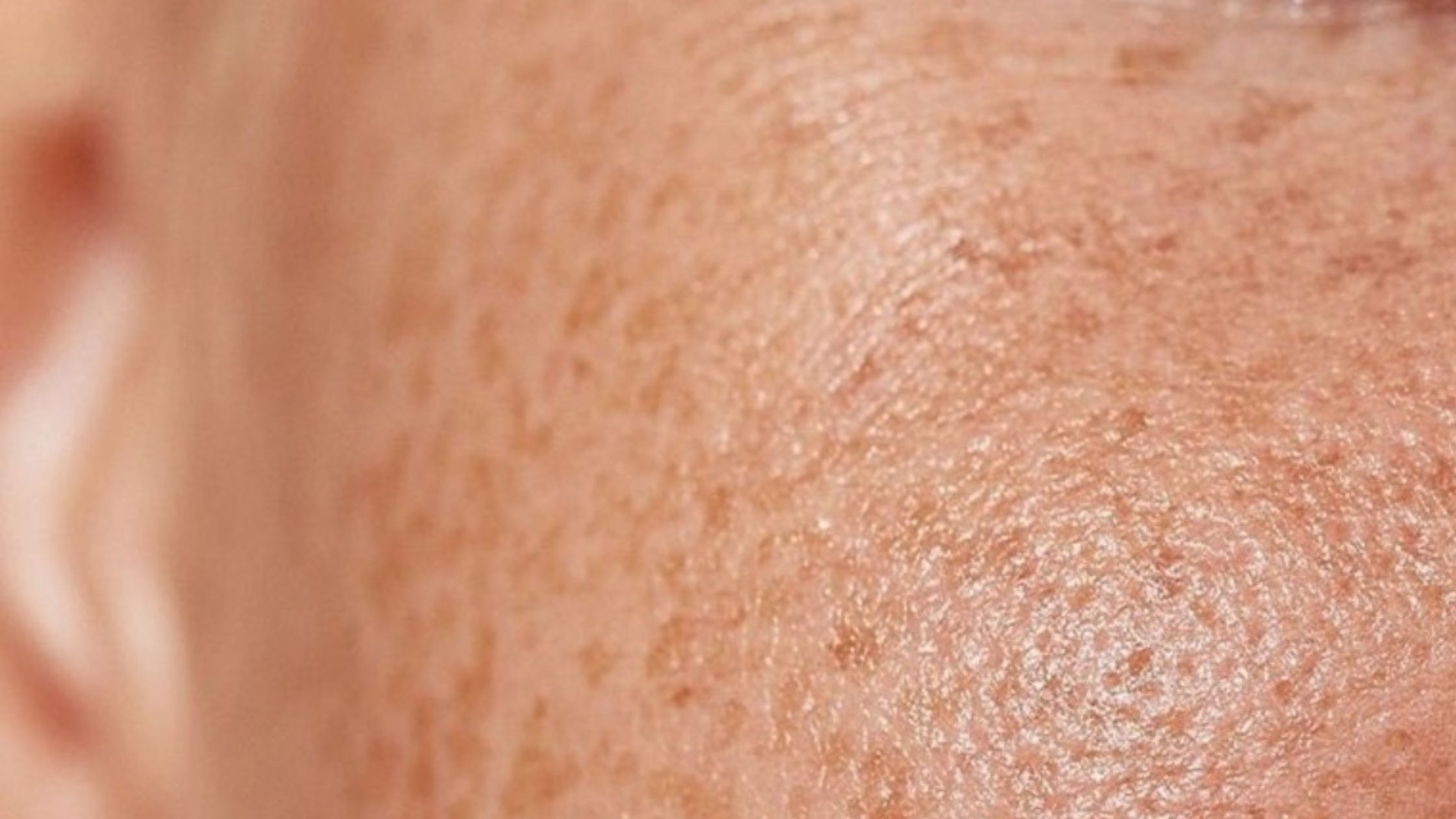
Every year again? For many of us, our skin feels tight in winter, turns rough and starts to flake. This is also well documented by science.[1] We explain why this happens and how you can help your skin through the winter.


Your skin constantly renews itself
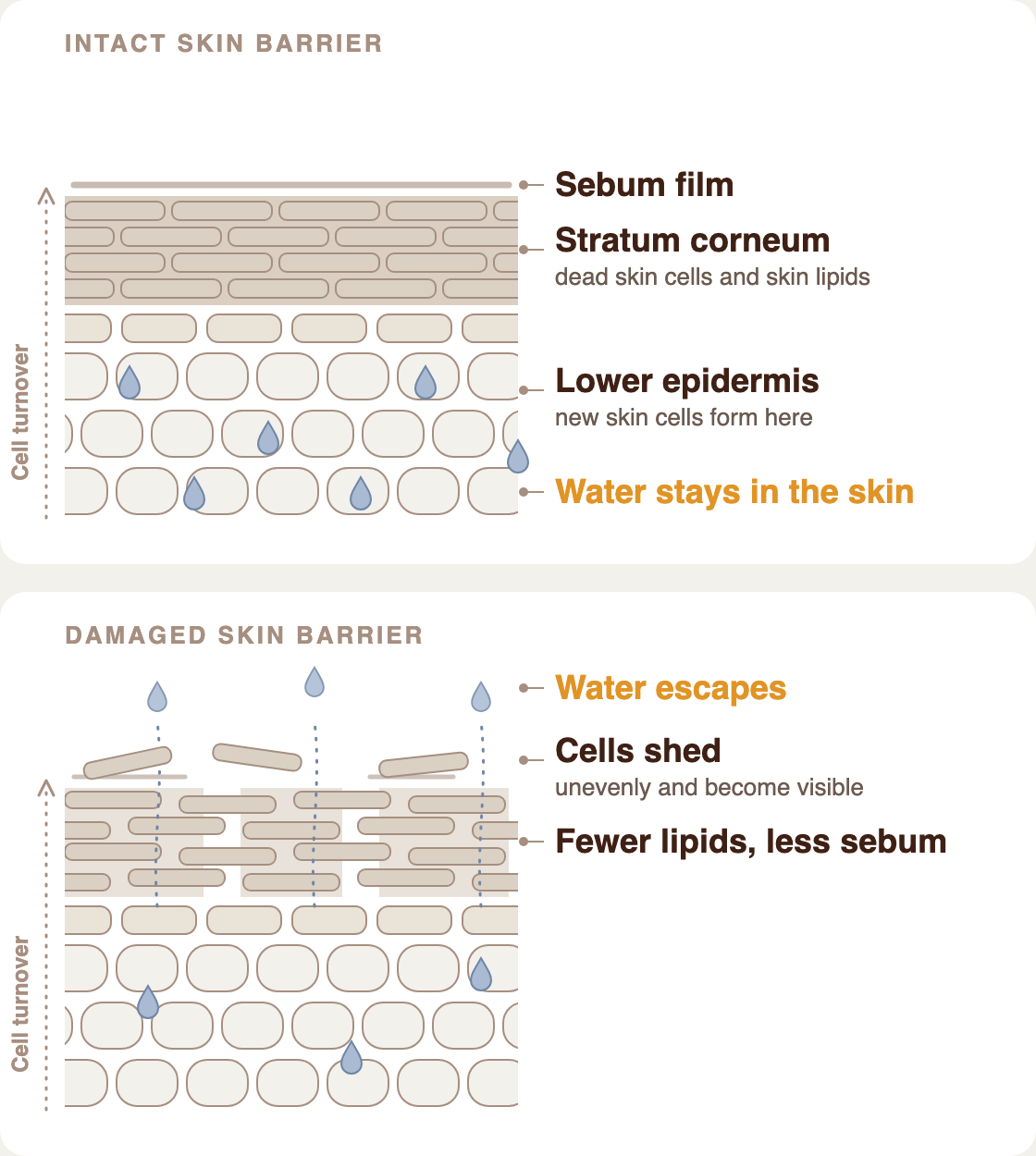
In the lowest layer of the epidermis, the outer layer of your skin, new skin cells form all the time. They move upwards, harden, and die. As dead cells, called corneocytes, they form the outermost layer, the stratum corneum. There, they gradually shed without you noticing. This cycle is called cell turnover.
On their way through the stratum corneum alone, cells take around 20 days in young adults. In older adults, it takes more than 10 days longer.[2]
The stratum corneum: The scaffolding of your skin barrier
Between the corneocytes lie skin lipids, mainly ceramides, cholesterol and fatty acids. Together, they keep water in the skin and irritants out. On the surface, a thin film of sebum adds further protection. This is how the stratum corneum forms the scaffolding for the sophisticated skin barrier.
What changes in winter
Cold, wind and dry heated air weaken our skin barrier.[1] Studies have shown that in winter, there are fewer lipids in the stratum corneum and less sebum on the skin.[3, 4] As a result, the skin loses more water.[4]
Deeper in the stratum corneum, the water content in winter is similar to summer.[5] Drinking more therefore helps little if you already drink enough anyway.[6]
Why the skin flakes
For corneocytes to shed, enzymes break the bonds between them. These enzymes need water. When the stratum corneum is too dry, they work more slowly.[7, 8] The dead cells then shed unevenly and become visible as fine flakes and rough patches.
WITH AGE
50% → 15%
After minor damage, the skin of people aged 20 to 30 restores 50% of its barrier function within one day. In people over 80, it is only 15%.[9] The older the skin, the more important it is to support the skin barrier.
What can help your skin now
01
At home: Cleanse and support your skin barrier.
Wash your face with lukewarm water. For cleansing, we recommend a mild, exfoliating product with an active ingredient such as glycolic acid (AHA). It supports the shedding of dead skin cells. If your skin feels dry afterwards in winter, you can care for it with a cream containing ceramides. Glycerin also helps bind water in the stratum corneum.[10]
If you notice that your skin reacts to glycolic acid with irritation, you can use the cleanser every other day at first. On the other days, use a mild cleansing gel without additional active ingredients. As a rule, our skin gets used to new active ingredients after 2-3 weeks. From then on, you can use the exfoliating cleanser every evening.
02
In the Lab: Calm, then rebuild.
We start with an in-depth consultation. Based on your skin's needs, we first recommend calming treatments, such as clinical light therapy (Low-Level Light Therapy). Once we see that your skin has calmed down, we move on to treatments that stimulate cell turnover and thus support your skin's barrier function in the long term, such as mild chemical peels.
What suits you is a decision for you and your doctor.
03
In the long run: Measure.
How well your skin barrier functions can be measured. In the skin analysis, we measure water loss through your skin, its pH and its hydration, among other markers. We record these values as your baseline so we can compare them over time.
Skin myths – quick check
“Drinking a lot helps skin hydration.”
≈ Partly true
Mainly if you have been drinking too little so far.[6]
“The richer the cream, the better.”
✗ False
Rich fat- and oil-based creams can even weaken the barrier of healthy skin.[11] It depends on your skin and the specific product.
“You do not need sunscreen in winter.”
✗ False
Sunlight also passes through clouds: Up to 80% of UV radiation gets through light cloud cover.[12] Fresh snow adds to this, reflecting up to 80% of UV rays.[13]
How well does your skin barrier function?
New to everskin? In our 60-minute skin analysis, we measure 13 skin markers, including your skin barrier. Based on your results, we recommend what works for your skin.
CHF 250, of which CHF 200 is credited to your wallet for treatments.
Already a guest? Book your free skin check-up (15 minutes).
No obligation. Just honest, evidence-based guidance.
SOURCES
- Engebretsen, K. A. et al. (2016). The effect of environmental humidity and temperature on skin barrier function and dermatitis. Journal of the European Academy of Dermatology and Venereology 30(2), 223–249. https://pubmed.ncbi.nlm.nih.gov/26449379/
- Grove, G. L. & Kligman, A. M. (1983). Age-associated changes in human epidermal cell renewal. Journal of Gerontology 38(2), 137–142. https://pubmed.ncbi.nlm.nih.gov/6827031/
- Rogers, J. et al. (1996). Stratum corneum lipids: the effect of ageing and the seasons. Archives of Dermatological Research 288(12), 765–770. https://pubmed.ncbi.nlm.nih.gov/8950457/
- Yang, J. et al. (2020). Seasonal variations of epidermal biophysical properties in Kunming, China. Skin Research and Technology 26(5), 702–707. https://pubmed.ncbi.nlm.nih.gov/32196767/
- Egawa, M. & Tagami, H. (2008). Comparison of the depth profiles of water and water-binding substances in the stratum corneum determined in vivo by Raman spectroscopy between the cheek and volar forearm skin. British Journal of Dermatology 158(2), 251–260. https://pubmed.ncbi.nlm.nih.gov/18047517/
- Akdeniz, M. et al. (2018). Does dietary fluid intake affect skin hydration in healthy humans? A systematic literature review. Skin Research and Technology 24(3), 459–465. https://pubmed.ncbi.nlm.nih.gov/29392767/
- Rawlings, A. et al. (1995). The effect of glycerol and humidity on desmosome degradation in stratum corneum. Archives of Dermatological Research 287(5), 457–464. https://pubmed.ncbi.nlm.nih.gov/7625857/
- Voegeli, R. et al. (2007). Profiling of serine protease activities in human stratum corneum and detection of a stratum corneum tryptase-like enzyme. International Journal of Cosmetic Science 29(3), 191–200. https://pubmed.ncbi.nlm.nih.gov/18489349/
- Ghadially, R. et al. (1995). The aged epidermal permeability barrier. Journal of Clinical Investigation 95(5), 2281–2290. https://pubmed.ncbi.nlm.nih.gov/7738193/
- Fluhr, J. W., Darlenski, R. & Surber, C. (2008). Glycerol and the skin: holistic approach to its origin and functions. British Journal of Dermatology 159(1), 23–34. https://pubmed.ncbi.nlm.nih.gov/18510666/
- Buraczewska, I. et al. (2007). Changes in skin barrier function following long-term treatment with moisturizers, a randomized controlled trial. British Journal of Dermatology 156(3), 492–498. https://pubmed.ncbi.nlm.nih.gov/17300239/
- United States Environmental Protection Agency. UV Index: Sun Safety. https://www.epa.gov/sunsafety
- World Health Organization. Radiation: The known health effects of ultraviolet radiation (Questions and answers). https://www.who.int/news-room/questions-and-answers/item/radiation-the-known-health-effects-of-ultraviolet-radiation
The illustration is simplified. This article is for educational purposes only. All treatments at everskin are evidence-based and performed by licensed medical doctors.