
What (Peri-)Menopause Does to Your Skin and How to Respond
In this issue of the everskin Skin Longevity Journal, we explain what happens during these hormonal transitions, how nutrition can help, and when targeted treatments become essential.

.jpg)
Hormonal transitions are inevitable for everyone, but for women, menopause represents one of the most profound biological shifts in skin physiology.
During perimenopause and menopause, estrogen levels can fall sharply, changing how skin produces and maintains collagen.
Estrogen is one of the master regulators of collagen synthesis. Understanding this connection is critical for women’s skin longevity.
What Happens During Hormonal Skin Aging
In women, estrogen levels can decline by up to 60-80% between ages 45 and 55.
Because estrogen directly regulates fibroblast activity, its loss slows collagen production and accelerates degradation through matrix metalloproteinases (MMPs), enzymes that actively break down collagen and other structural proteins in the skin.
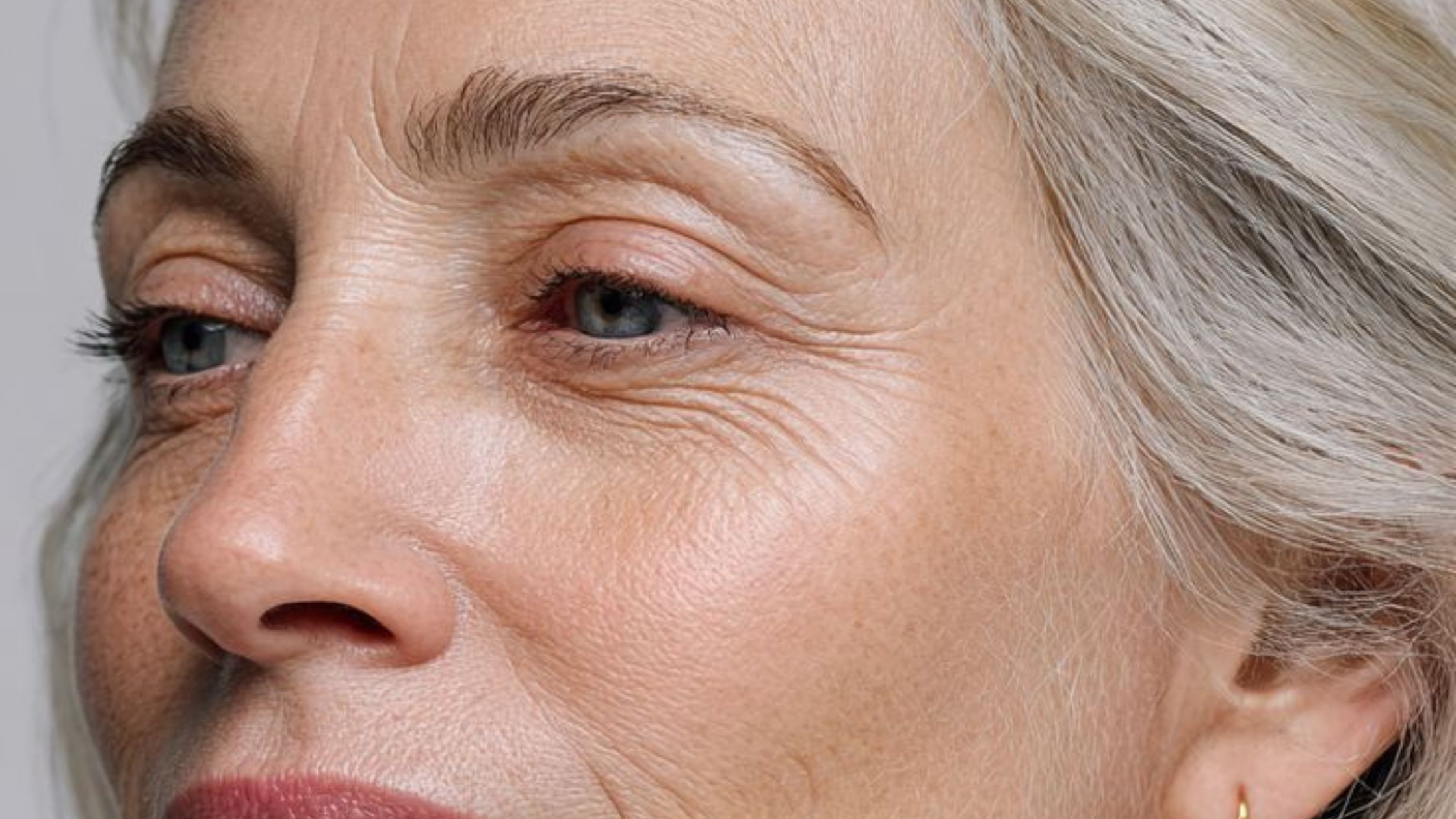
The result: thinner, drier, and less elastic skin.
But this process is modifiable. Nutritional support, barrier protection, and targeted stimulation can help maintain structure and resilience throughout this hormonal shift.
The Numbers You Need to Know:
- After 45: Estrogen ↓ → ≈ 2% collagen loss per year
- Visible signs: Dryness, fine lines, reduced elasticity
- What it feels like: Skin feels thinner or tighter than before
Three pillars support your skin through this transition.
1. Hormone Replacement Therapy (HRT)
For women who are candidates, HRT remains one of the most evidence-backed interventions for hormonal skin aging. By restoring estrogen levels, it directly addresses the root cause – supporting fibroblast activity, collagen synthesis, and skin hydration. Whether HRT is right for you is a conversation to have with your gynaecologist or GP. But from a skin longevity perspective, its effects on collagen are well-documented and significant.
2. Nutrition: Phytoestrogens as a Daily Foundation
Phytoestrogens are plant-derived compounds (from soy, flaxseed, and sesame) that mimic estrogen’s effects in a gentle, natural way.
They bind weakly to estrogen receptors and have been linked in small clinical studies to increased collagen I/III synthesis, improved hydration, and reduced MMP-1 activity.
Phytoestrogens are not replacements for hormones, but they provide a valuable foundation for maintaining skin quality during and after menopause.
Your Daily Phyto-Boost (3 Foods, 3× Per Week)
- Morning: 1 tablespoon flaxseed → lignans to support collagen and balance estrogen
- Midday: 100 g tofu or soy drink → rich in isoflavones like genistein
- Evening: 1 tablespoon sesame seeds → contains sesamin, an antioxidant and collagen modulator
Mini-Challenge:
Add one phyto-rich food every day for 14 days – many women notice softer, more hydrated skin after 4 weeks.
3. Targeted Treatments
As hormonal collagen production continues to slow, targeted stimulation beyond nutritional support becomes key.
Biostimulators, RF Microneedling, medical-grade chemical peels and Low-Level Light Therapy can directly activate fibroblasts and complement what nutrition alone cannot sustain.
When / Then Guide:
When: Skin feels persistently dry or papery despite good basic care
Then: Start with phytoestrogen-rich nutrition for at least 12 weeks
When: Skin still appears dull or elasticity continues to decline
Then: Add in-clinic collagen stimulation (e.g. RF microneedling, biostimulators, peels, or LLLT)
When: Treatments are introduced
Then: Reassess structure, hydration, and elasticity with a Skin Analysis after 6–8 months, not to “judge”, but to guide next steps.
These interventions work best when introduced gradually, always on a stable barrier and within a consistent routine.
The Bottom Line
Hormonal transitions in women fundamentally reshape how the skin produces and protects collagen.
Nutrition and daily care provide the foundation; targeted treatments become the key lever once hormonal collagen loss accelerates.
3 Takeaways for Your Collagen Transition
- From 45 onwards: expect ≈ 2 % collagen loss per year – act early.
- Add flaxseed, soy, and sesame 3× per week for visible support.
- Use targeted treatments strategically to rebuild what hormones reduce.
From paper-thin to plump and resilient – your next decade of skin longevity starts today.

.jpg)
.jpg)
.jpg)
.jpg)
.jpg)
.jpg)
.jpg)
.jpg)
.jpg)
.jpg)
.jpg)
.jpg)

.jpg)
.jpg)
.jpg)